
The Western film genre has long immortalized a specific myth of America: one defined by wild country, sun-bleached towns and gritty cowboys seeking prosperity or out for revenge. But beneath the myth lies a more complex truth. This month, the Institute for Contemporary Art (ICA) at Virginia Commonwealth University challenges that narrative with Nu West, a series of Black Westerns curated by the local film collective Exposure Cinema.
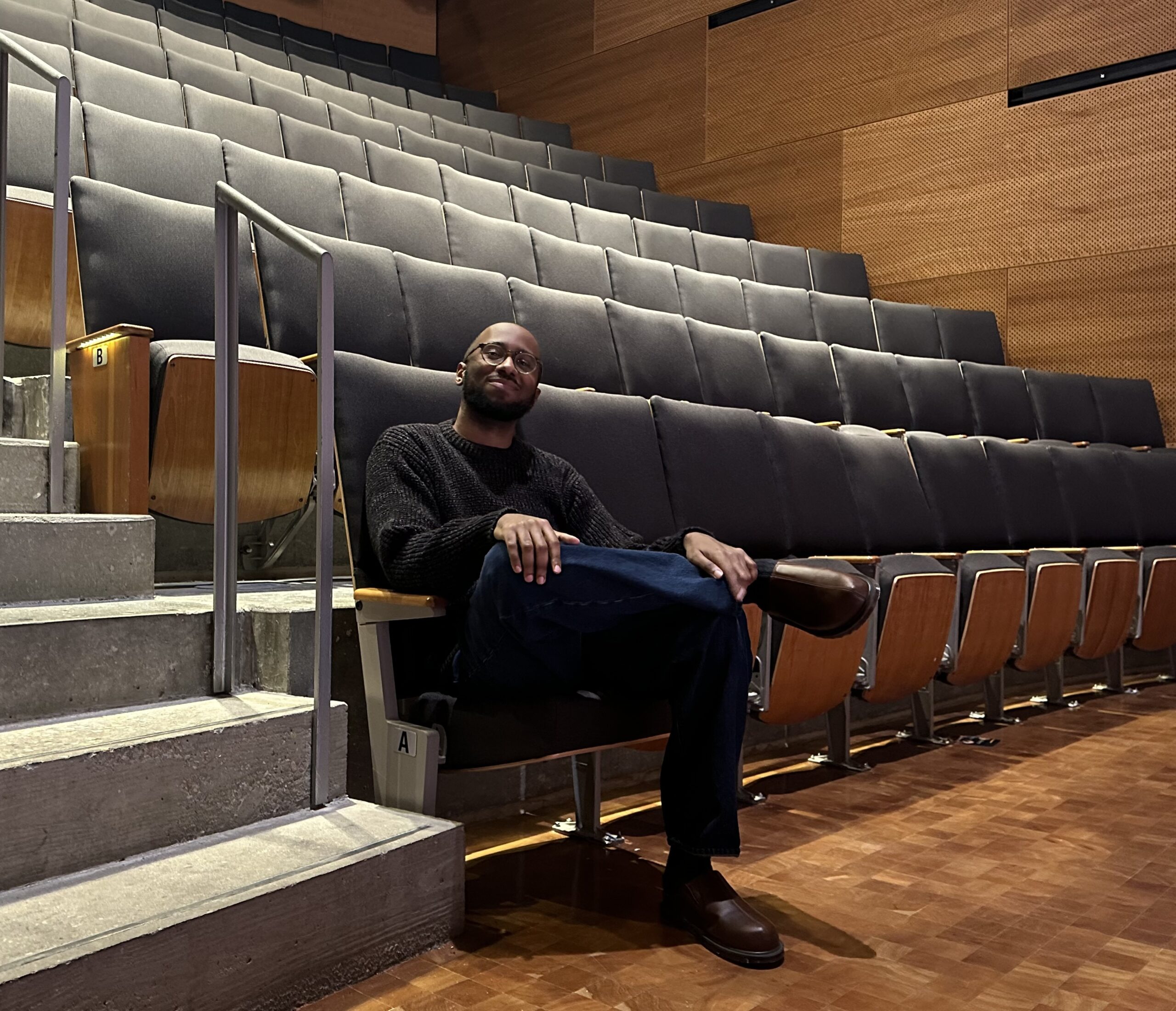
“Black cowboys have been around since the cowboy has been a thing,” says Brandon Shillingford, founder of Exposure Cinema. Nu West marks an encore collaboration between Exposure and the ICA — last summer, the two partnered for In Bloom, a series exploring diverse coming-of-age narratives from around the world.
Indeed, while the stereotypical cowboy evokes images of John Wayne, historians estimate that roughly one in four cowboys following the Civil War were Black. The erasure of this reality in historical retellings — including within Western cinema — is a symptom of a broader, curated storytelling that prioritizes a narrow vision of the heart of America.
It is a theme that holds particular weight in a contemporary political era where “traditional values” are used to justify exclusion and violence both at home and abroad, from brutal ICE crackdowns to threats to seize Greenland.
“Right now we’re seeing this very aggressive push of these conservative values that are all about conquest and recapturing what — in their minds — they’ve lost,” Shillingford says. “That version of the West is defined by the exclusion of Blackness, as well as Indigenous people, women, queer folks. These people’s stories and identities were erased in the myth-making of the West.”
Nu West aims to dismantle these narratives through the free screening of four films: Sidney Poitier’s “Buck and the Preacher” (Feb.4), Jordan Peele’s “Nope” (Feb.6), Gordon Parks Jr.’s “Thomasine & Bushrod” (Feb. 17), and Charles Burnett’s “To Sleep with Anger” (Feb. 25). While including traditional aesthetics found in the Poitier and Parks Jr. films, the series also pushes the boundaries of the genre through the neo-Western domesticity of “To Sleep with Anger” and the sci-fi thrill of “Nope.”
“The inherent question is, what is it that makes a Black Western?” Shillingford posits. “Is it somebody stepping into the traditional aesthetic of a cowboy, or how else might a film hit on the core tenets of the American Western — themes like generational violence, spirituality, migration and reclamation?”
Driven by a commitment to purposeful curation, Exposure Cinema seeks to use the screen to ignite vital social dialogue and foster a shared experience through cinema. By following each screening with an organized discussion, Shillingford transforms the theater into a refuge for communal reflection.
Within the framework of the Nu West series specifically, this interactive format encourages the audience to look beyond the credits and examine the social and political realities of the Black experience in America.
“I think there’s this inherent struggle within these films between living the life that you want to live and the structures that are trying to push you into very specific roles,” he says. “This series is about interrogating the myths upon which freedom and independence have been built.”
At its core, the West is defined by the frontier — the boundary at the edge of the unknown. Nu West reimagines that frontier not as a site of “unclaimed” land or material riches, but as a landscape of agency, one redefined and reclaimed by those who have historically been excluded from it.
“To be a Black American engaged in filmmaking is to reckon with both this medium and this place that has historically been used to exploit and marginalize you,” Shillingford says. “The West I’m trying to call to is the one defined by the people who are trying to build new myths.”
The Nu West film series at Virginia Commonwealth University’s Institute for Contemporary Art will run through Feb. 25. To learn more details on each screening, visit the ICA website.