

Alexandria history is Black history. Persons of African ancestry have been part of the city since its establishment.
Alexandria’s Black population has fluctuated throughout history. A high point was immediately after the Civil War, when thousands of African Americans fled there, seeing it as a safe haven. In contrast, the early-to-mid-20th century saw the percentage of Black residents decline, although the overall number increased very slightly.
Because of its proximity to the nation’s capital, Alexandria has always held a unique sociopolitical position, resulting in a major impact on Black residents’ access to resources such as schools and transportation, especially when compared to other Southern cities.
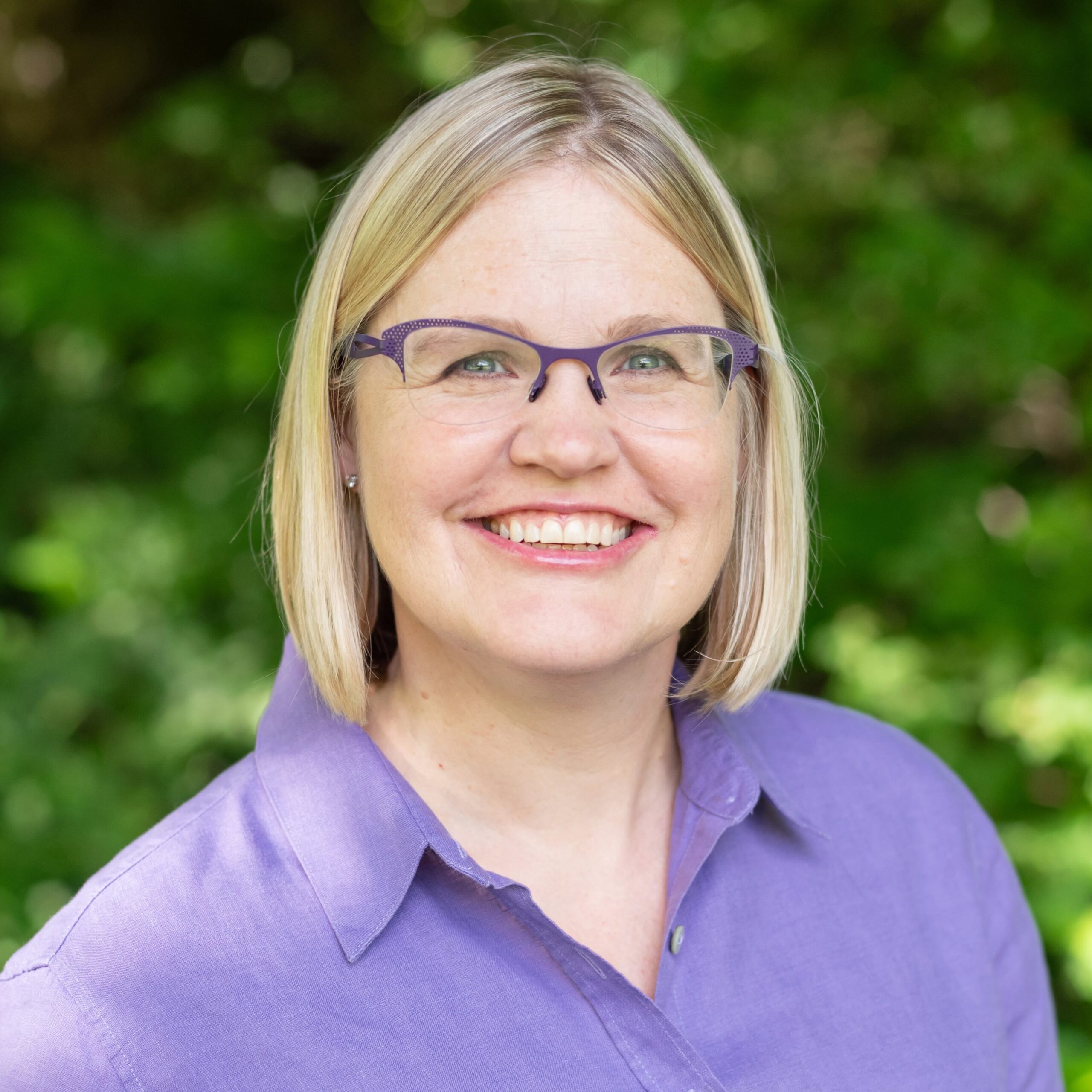
Krystyn Moon, a professor of history and American studies at the University of Mary Washington will discuss her new book “Proximity to Power: Rethinking Race and Place in Alexandria, Virginia” on Aug. 7 during a talk at the Virginia Museum of History and Culture.

Moon began doing public history 15 years ago when the city archaeologist requested her help with a project. Since then, she’s worked on a variety of projects, mostly focused on Black and immigrant communities. “Proximity to Power” is the culmination of some of that work.
The story of Harriet Williams
To research the book, Moon employed various methodologies. Much of the historical research was found in collections at the National Archives in Washington, D.C. and College Park, Maryland. Local archives and libraries were used, along with materials in California and Wyoming. “In Alexandria, we’re fortunate to have oral histories with longtime residents that date to the 1980s, and we continue to have a robust oral history program,” she says. “City government also does a lot of community-engaged history work, which gave me the opportunity to learn from both community elders and new residents about their stories.”
One story Moon uncovered was about a woman named Harriet Williams. In the 1970s, Alexandria’s community archaeology program had excavated Williams’ home site. A volunteer had done some preliminary research and found that Williams had been enslaved to the Lindsay family but was probably hired out to the Dixons, who owned the property where she’d lived.
The report ended with Williams disappearing at the beginning of the Civil War. But Moon kept digging and found Williams listed in Alexandria’s land deed records for 1864. Williams had bought her home at auction for $10, a measly sum compared to other properties sold by the federal government. During the war, the federal government had confiscated properties that had been owned by white residents who’d fled south when Union forces arrived in April 1861. Williams’ home was one of those properties.
Ultimately, the federal government refused to support its wartime property sales during Reconstruction. “A member of the Dixon family returned to Alexandria and sued to have their property returned,” says Moon. “The Dixons were successful, and Williams was forcibly evicted. It took Oliver Otis Howard, the head of the Freedmen’s Bureau, to help Williams find a new place to live.”
Because of the problems with public education in Alexandria, Moon says many parents sent their children to school in Washington, D. C., which didn’t have the same residency restrictions as Virginia. By the end of the 19th century, D.C. was also home to one of the best high schools in the country. “For those Black parents who could afford it, they could also send their children to Howard University, which offered a high school program along with undergraduate and graduate degrees,” says Moon.
Housing prices remain an issue
Being so close to D.C. also had disadvantages for Alexandria’s Black residents, the biggest being the cost of housing. The inflation that began in the 1970s started to push out low-income residents. “Many longtime Black residents sold their property and moved out of the city, and first-time homebuyers struggled to find a place that they could afford,” says Moon. “Even today, housing prices are one of the biggest issues in Alexandria.”
Although the federal government hired Black workers throughout the mid-19th and 20th centuries, racial discrimination influenced the types of jobs available. Most positions open to Black applicants were like those in the private sector: construction or domestic work. “Only a handful were able to obtain white-collar positions as clerks,” Moon says. “That would slowly begin to change after World War II.”
“Proximity to Power” helps broaden the reader’s understanding of race and place. It lays out the ways in which Black individuals and families used the resources around them to improve the situation for themselves, their friends, and their communities.
“Because Alexandria is so close to the nation’s capital, Black residents had unique resources available to them through the federal government and Washington’s Black community,” says Moon. “’Proximity to Power’ is ultimately a story of agency and resilience and how place impacts the strategies that people can use.”
“Proximity to Power: Rethinking Race and Place in Alexandria, Virginia” with Dr. Krystyn Moon, Aug. 7 at noon at the Virginia Museum of History and Culture, 428 N. Arthur Ashe Boulevard. Tickets